
Torrecárdenas advises gradually recovering healthy habits after summer
Topics Centro Comercial Torrecárdenas
The Endocrinology and Nutrition Service of the Almería hospital advises against extreme diets and proposes five simple and sustainable habits to look after metabolic health after the holidays.
AlmeríaYa newsroom ·
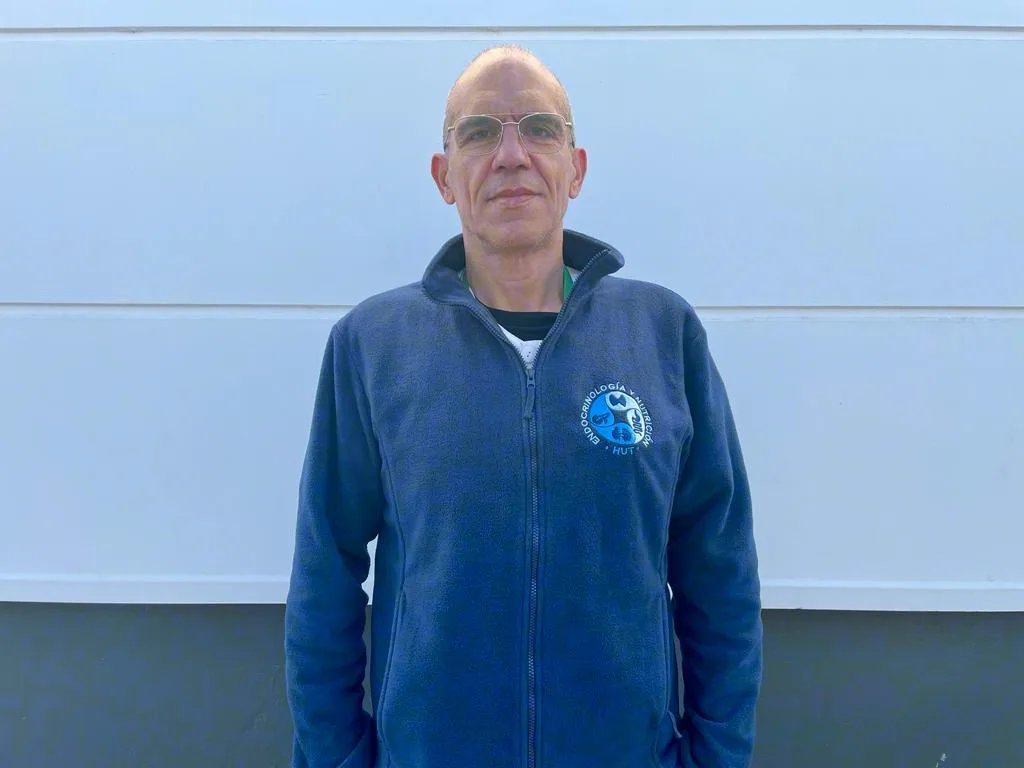
The Endocrinology and Nutrition Service of the Hospital Universitario Torrecárdenas recommends progressively, and not all at once, recovering the habits that care for metabolic health after the summer. The change of schedules, meals away from home, travel and the lower regularity in rest or exercise that this time of year brings are not corrected, according to this service, with extreme diets or very demanding exercise plans, but by setting simple goals that can be maintained over time.
The head of the service, Pedro Mezquita, explains that "the return to routines can become a good opportunity to review our daily habits and recover those that help us feel better, but without approaching it as a punishment or as a race to obtain immediate results".
Beyond weight
The service recalls that metabolic health is not measured only by body weight, but also includes adiposity, blood pressure, glucose and lipid levels or physical condition. All these factors influence the risk of developing chronic diseases such as type 2 diabetes or cardiovascular pathologies. "Caring for health does not consist of compensating in a few weeks for what we have done during a given period. What matters is building a sufficiently healthy life pattern, compatible with our circumstances and that we can maintain in the long term," says Mezquita.
Five habits to recover
The service proposes five specific guidelines:
- Return to simple eating, based on fresh or minimally processed foods: fruits, vegetables, legumes, whole grains, nuts, fish and olive oil, without eliminating food groups or resorting to "detox" products.
- Choose water as the main and frequent drink.
- Move regularly: walking, climbing stairs or avoiding spending a lot of time sitting, without the need to go to the gym. The World Health Organization (WHO) recommends that the adult population do between 150 and 300 minutes per week of moderate aerobic activity, or between 75 and 150 minutes of vigorous activity, in addition to muscle-strengthening exercises at least two days per week.
- Keep regular schedules and protect rest, reducing activity at the end of the day and gradually moving bedtime earlier.
- Set one or two specific goals and maintain them for several weeks before adding new changes.
On exercise, Mezquita advises "starting with an amount of exercise that is manageable and increasing it progressively", since it is "a safer and more realistic strategy" than starting with an activity that is too intense and then cannot be maintained.
Specific goals, not general resolutions
For the last of the habits, Mezquita gives examples: "Setting out to walk for 30 minutes three days a week or taking fruit to work is more effective than making general resolutions". And he adds: "We should not seek perfection, but habits that we can repeat. A small change, adapted to daily life and maintained over time can be more beneficial than a very strict program that is abandoned after a few weeks".
The service specifies that, when overweight or obesity exists, weight loss can be part of the goals to address, but it should not be approached as an urgent response after the holidays: its approach must be individualized according to the clinical situation and the possibilities of each patient, counting if necessary on specific professional support.
Breaking news from News, on your phone
An alert only when something can't wait. Free, no account needed.
On iPhone, alerts only arrive if you first add AlmeríaYa to your Home Screen. How to do it, step by step
This browser can't receive alerts. Try another one, such as Chrome or Safari.
You've blocked alerts from AlmeríaYa in this browser. You can turn them back on in its settings. How to do it, step by step
Only what can't wait. Change or remove it in my alerts
Shall we let you know what matters?
Phone alerts
On iPhone, alerts only arrive if you first add AlmeríaYa to your Home Screen. How to do it, step by step
This browser can't receive alerts. Try another one, such as Chrome or Safari.
You've blocked alerts from AlmeríaYa in this browser. You can turn them back on in its settings. How to do it, step by step